24/7 Emergency Water Damage Restoration Across Sydney
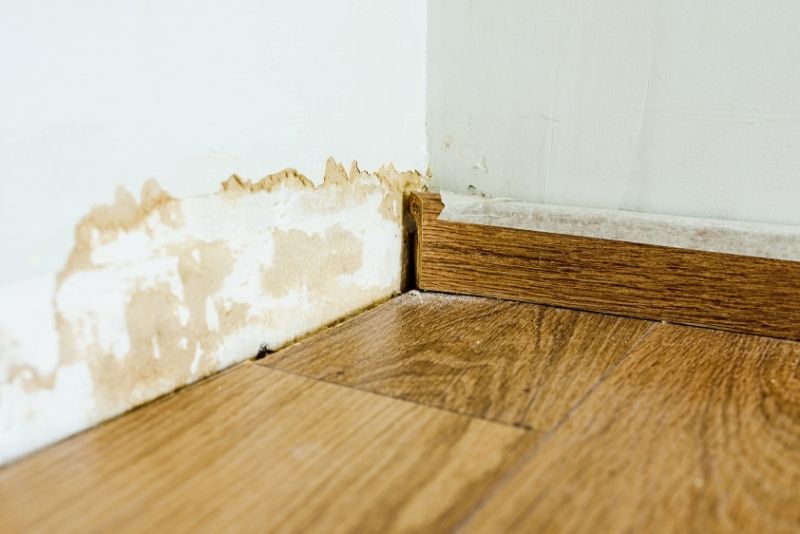
Water damage is unlike any other property emergency. It doesn’t announce itself in advance, it doesn’t wait for business hours, and it doesn’t slow down once it starts. Every minute that passes after a flood, burst pipe, or storm leak, water is migrating further through your building – saturating carpets, penetrating subfloors, absorbing into wall cavities, and creating the warm, dark, damp conditions in which mould begins to grow within 24 to 48 hours of the initial event.
The decisions made in the first few hours after water damage are the most important ones. Professional extraction and structural drying, started quickly, can save carpets, underlay, flooring, and wall linings that would otherwise become losses. The difference between a manageable restoration and a costly, disruptive rebuild is almost always a matter of response time.
Our emergency water damage restoration team is on call 24 hours a day, 7 days a week, 365 days a year across all Sydney Metro suburbs. We answer calls personally – not with an answering service. We dispatch immediately. And we bring the industrial-grade equipment, the technical knowledge, and the insurance documentation experience needed to protect your property and your claim.
Our technicians are trained and certified to the IICRC S500 Standard for Professional Water Damage Restoration – the international benchmark for water damage response. We don’t guess. We measure, document, and dry to standard.
⚠ Do Not Wait – Call Immediately Mould begins to grow within 24 to 48 hours of water exposure. Structural materials that can be saved with rapid drying become losses after 48 to 72 hours. Every hour of delay increases both the damage and the cost of restoration. Call our 24/7 emergency line the moment you discover water damage. |
Types of Water Damage We Restore
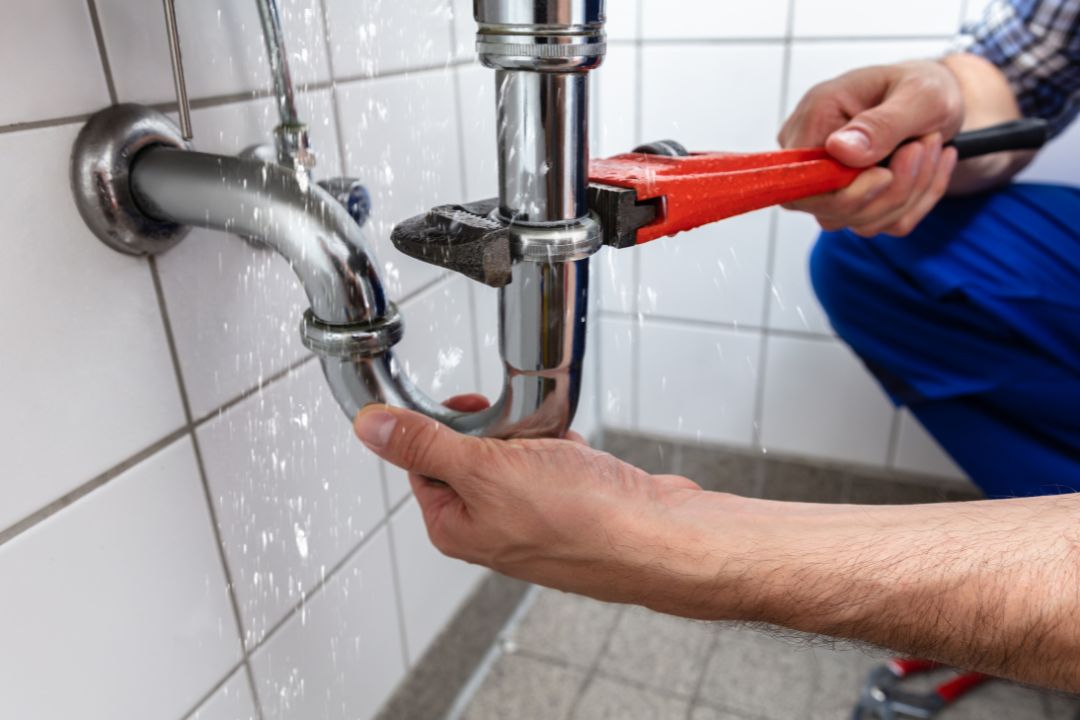
Burst & Leaking Pipes
Pipe bursts and slow leaks are among the most common water damage events in Sydney homes and businesses. Whether the source is a hot water system failure, a deteriorated pipe joint, or a pipe cracked by tree root intrusion, the water migration pattern can be deceptive – water travels rapidly through wall cavities, under flooring, and along subfloor joists, saturating areas far from the visible source. Our thermal imaging identifies hidden moisture that visual inspection misses.
Storm & Roof Flooding
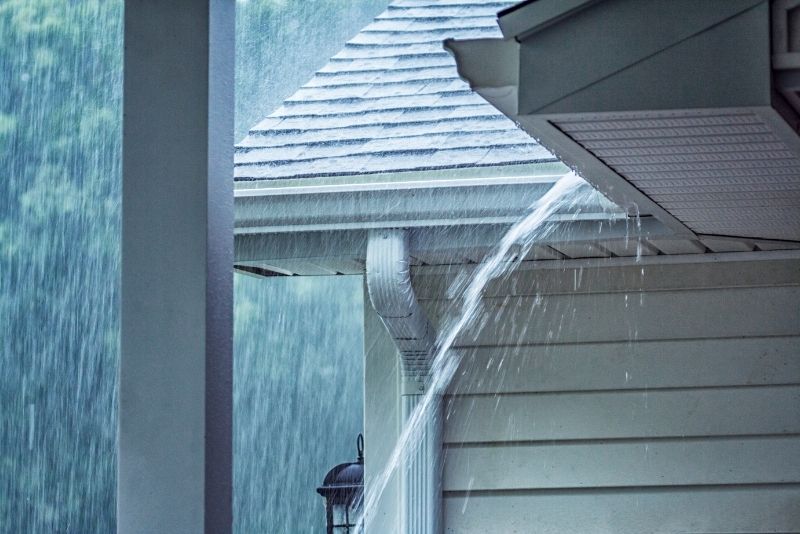
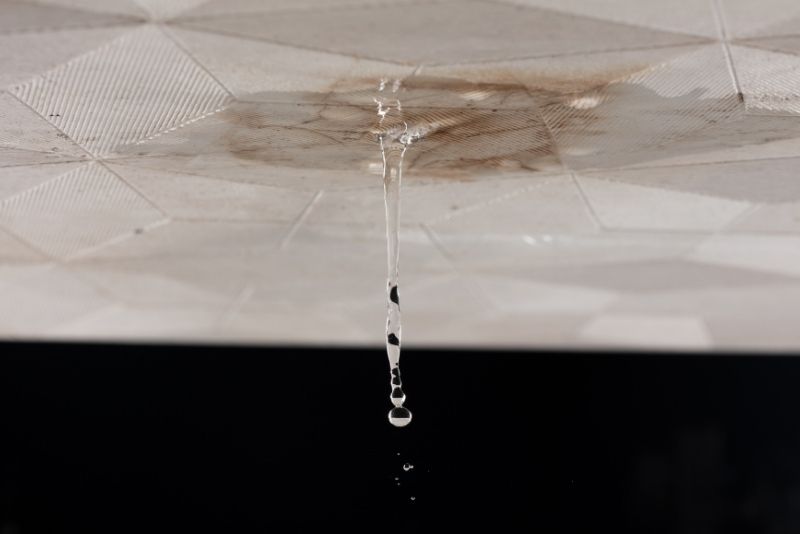
Sydney storms can overwhelm roof drainage, gutters, and flash flood management in minutes. Roof leaks, ceiling penetrations, and stormwater ingress introduce Category 1 clean water that can quickly become contaminated as it mixes with insulation, building materials, and ceiling cavity debris. Rapid extraction and drying prevents structural damage and mould in what can otherwise become a long-term remediation problem.
Appliance Failures
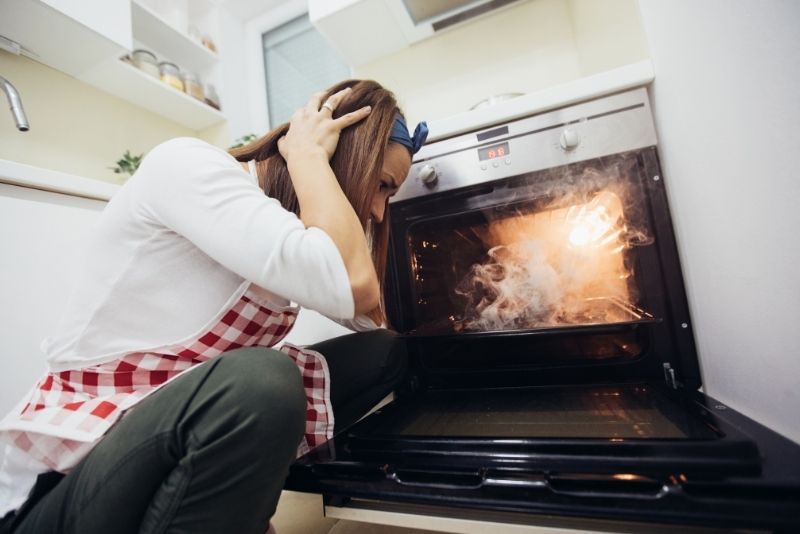
Washing machines, dishwashers, refrigerators, hot water systems, and integrated dishwashers are among the most common sources of sudden water damage in residential and commercial properties. Appliance failures can release hundreds of litres of water in a short period, saturating kitchen floors and cabinetry and penetrating below the surface to underfloor materials. Quick response is critical for timber and engineered timber flooring.
Bathroom & Kitchen Overflow
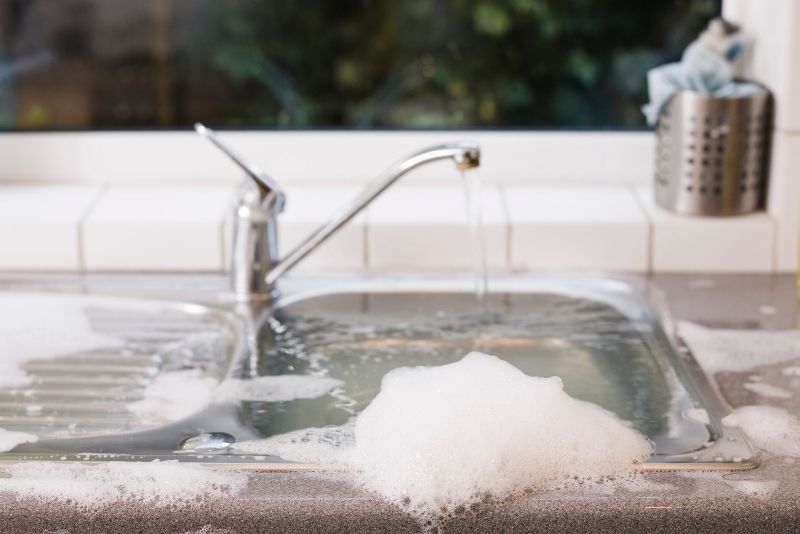
Bath overflows, sink overflows, and toilet overflows are categorised by their contamination level. Clean bath and sink overflows are Category 1. Toilet overflows involving sewage are Category 3 – requiring specialist PPE, containment, antimicrobial treatment, and in some cases removal and replacement of contaminated soft materials including carpet and underlay.
Sewage Backup & Category 3 Water
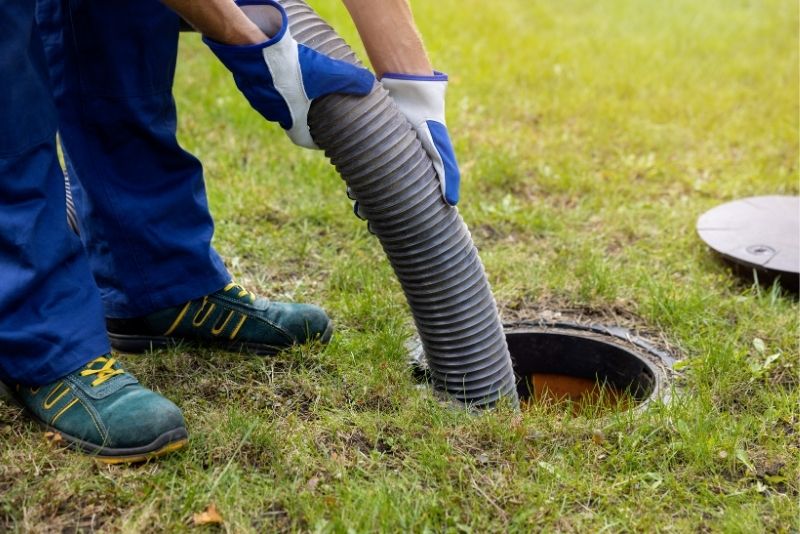
Sewage backups are the most serious water damage category and require immediate professional response. Category 3 (black water) events involving sewage or floodwater from external sources present genuine health risks including exposure to bacteria, viruses, and parasites. All soft materials including carpet, underlay, and drywall that have been contaminated by Category 3 water require removal and disposal, not drying and restoration.
We work with property managers, facility managers, office managers, and directly with tenants. NABERS-aware cleaning practices available for environmentally certified buildings.
Stormwater & Flash Flooding
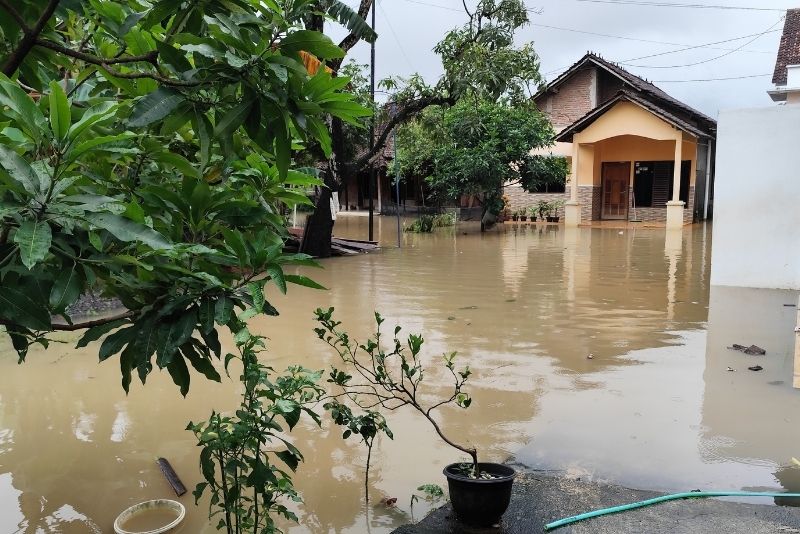
External flooding from overland stormwater flows introduces Category 3 contamination from soil, bacteria, and potentially sewage. Properties in flood-prone Sydney areas including riverside suburbs and low-lying coastal areas are particularly vulnerable. Our response includes full contamination assessment, extraction, antimicrobial treatment, and structural drying.
We work with property managers, facility managers, office managers, and directly with tenants. NABERS-aware cleaning practices available for environmentally certified buildings.
Inter-Unit Leaks in Apartments
Water migration between apartment units – whether from overhead bathrooms, balcony leaks, or pipe failures in common walls – creates complex multi-party situations involving strata management, multiple owners, and insurance claims across two or more properties. We have extensive experience coordinating water damage response across strata buildings and provide documentation suitable for strata committee reporting and insurance subrogation.
We work with property managers, facility managers, office managers, and directly with tenants. NABERS-aware cleaning practices available for environmentally certified buildings.
Commercial Water Damage
Offices, retail stores, warehouses, hotels, restaurants, and medical facilities. Commercial water damage carries additional stakes – business interruption, stock damage, equipment losses, and reputational impact. Our commercial response team deploys larger equipment fleets for faster drying, coordinates with facility managers and insurers, and works around operational requirements where possible.
We work with property managers, facility managers, office managers, and directly with tenants. NABERS-aware cleaning practices available for environmentally certified buildings.
Understanding Water Damage Categories
The IICRC S500 Standard classifies water damage by contamination level. This classification determines what can be restored versus what must be removed and replaced:
| Grout Sealing | Colour Sealing |
|---|---|
| Clear, penetrating sealer | Pigmented coating applied over grout |
| Protects cleaned grout from future staining | Restores grout colour and protects at the same time |
| Grout must first be restored to a clean condition | Ideal where grout cannot be fully cleaned back to original |
| Invisible finish that keeps the natural grout appearance | Covers discolouration and delivers a uniform, like-new colour |
| Typical lifespan of around 2–3 years under normal use | Typical lifespan of around 3–5 years under normal use |
| Best for most homes immediately after professional cleaning | Best for aged grout and high-soil or high-traffic environments |
Understanding Water Damage Classes
The IICRC also classifies damage by the volume and evaporation rate of water absorbed, which determines drying equipment requirements:
| Class | Description |
|---|---|
| Class 1 - Minimal | Slow evaporation. Small, localised area with minimal absorption. Typically affects carpet only, with no underlay or subfloor saturation. |
| Class 2 - Significant | Fast evaporation. An entire room is affected. Carpet, underlay, and walls up to around 40 cm high are saturated. |
| Class 3 - Extensive | Fastest evaporation. Water has affected ceilings, walls, carpet and underlay. Common when water comes from above, such as burst pipes or roof leaks. |
| Class 4 - Specialty | Specialty drying required. Water has deeply saturated low-permeance materials such as hardwood floors, concrete slabs, brick, stone, or plaster. |
The Critical Timeline - Why Hours Matter
| Timeframe | What Happens | Implication |
|---|---|---|
| 0 to 1 hour | Water migrates quickly, soaking into carpet and underlay and starting to absorb into subfloor and lower wall areas. | Extraction now can save virtually everything and keep the job as simple drying instead of full restoration. |
| 1 to 24 hours | Drywall begins to swell, timber starts to warp, and odours develop as clean water starts to degrade. | Rapid extraction and professional drying can still save most materials and often prevent mould growth. |
| 24 to 48 hours | Mould spores begin germinating on damp surfaces and structural materials swell significantly. | Some materials are becoming unsalvageable; mould prevention and antimicrobial treatment are now critical. |
| 48 to 72 hours | Active mould growth is present and previously clean water is considered highly contaminated. | Significant material losses occur and remediation becomes more invasive, time‑consuming, and costly. |
| Beyond 72 hours | Major mould infestation develops, with potential structural compromise and indoor air quality issues. | Full mould remediation and extensive replacement are usually required, with substantially higher overall costs. |
Our Emergency Water Damage Response Process
| Step | Process |
|---|---|
| 01 | Immediate Call Response Speak with a trained technician 24/7 – not a call centre or answering service. 24/7 technician, not a call centre |
| 02 | Rapid On‑Site Arrival Target response time of 60 minutes across Sydney Metro. Target 60‑minute response |
| 03 | Safety Assessment We assess structural safety, electrical hazards and the water contamination category before entering affected areas. Safety first, every job |
| 04 | Moisture Mapping Using thermal imaging cameras and calibrated moisture meters, we map the full extent of water migration – Find the hidden water |
| 05 | Water Extraction High‑capacity truck‑mounted and portable extraction equipment rapidly removes standing water and saturated carpet. Maximum extraction, minimal damage |
| 06 | Content Protection Furniture, electronics and contents are protected, elevated or moved to dry areas as required. Protect what matters most |
| 07 | Structural Drying Industrial dehumidifiers and high‑velocity air movers are positioned using moisture‑mapping data to drive airflow through all affected materials. Engineered drying plan |
| 08 | Daily Monitoring We return daily to measure moisture levels in all affected materials and document drying progress. Measured, documented progress |
| 09 | Antimicrobial Treatment EPA‑registered antimicrobial solution is applied to all affected surfaces to help prevent mould colonisation during the drying period. Mould prevention built in |
| 10 | Final Moisture Testing & Sign‑Off When all materials reach target moisture levels (verified against IICRC S500 drying goals), Verified dry, not just “looks dry” |
| 11 | Carpet & Flooring Assessment We provide an honest, documented assessment of which materials are restorable and which require replacement – Clear, transparent recommendations |
| 12 | Insurance Documentation Package Complete documentation including incident photos, moisture maps, daily drying logs, equipment records and a final drying report, Insurer‑ready reporting |
Our Equipment - Built for Fast, Effective Restoration
helping stop water migration into subfloors and wall cavities.
performance even when we can’t park directly at your door.
the air so walls, floors and contents can dry safely and efficiently.
evaporation and shorten the overall drying timeline.
dense materials and complex commercial or structural drying projects.
under flooring and inside ceiling cavities that look “dry” to the eye.
drying is guided by data – not guesswork.
airflow for the most efficient drying conditions.
from enclosed spaces without unnecessary demolition wherever possible.
Working With Your Insurance Company
Most standard home and contents insurance policies cover sudden and accidental water damage – but navigating the claims process while managing a property emergency is stressful. We have extensive experience working alongside Australian insurers and loss adjusters, and we help take the administrative burden off our clients from the first call.
What we provide for your insurance claim
Detailed photographic documentation of damage at first attendance.
Moisture mapping reports showing the full extent of water migration.
Daily drying logs with calibrated equipment readings.
IICRC‑compliant final drying report meeting insurer requirements.
Contents damage inventory with replacement value assessment.
Direct liaison with your loss adjuster on request.
Certificate of currency for our public liability insurance.
We work with all major Australian insurers including IAG (NRMA, CGU), Suncorp (AAMI, GIO, Apia), Allianz, QBE, Youi, Budget Direct, and others. We do not require you to manage insurer communications if you prefer us to do so on your behalf.
Mould Prevention & Mould Remediation
Mould is the most serious long-term consequence of water damage that is not properly dried. In Sydney’s humid climate, mould can begin growing within 24 to 48 hours of a water event on any wet porous surface including carpet, drywall, timber, insulation, and ceiling tiles. Once established, mould presents genuine health risks – particularly for people with asthma, allergies, compromised immune systems, and respiratory conditions.
Our antimicrobial treatment protocol, applied during the drying process, prevents mould colonisation in materials that are being dried in place. For situations where mould has already established – either because of delayed response or a pre-existing slow leak – we provide full mould remediation services including containment, physical removal, HEPA air filtration, and antimicrobial treatment to IICRC S520 standards.
Can Your Carpet Be Saved After Water Damage?
This is the question every property owner asks – and the honest answer is: it depends on the water category, how long the carpet has been wet, and what type of carpet it is.
| Situation | Typical Outcome |
|---|---|
Best case Category 1 water, extracted within 24–48 hours | Carpet and underlay are typically restorable with professional extraction and drying. |
Increased risk Category 1 water, extracted after 48+ hours | Carpet may still be restorable, but underlay often needs to be removed and replaced. |
Hygiene‑driven decision Category 2 water, extracted within 24 hours | Carpet may be restorable with thorough antimicrobial treatment; underlay is usually replaced. |
High contamination Category 2 water, longer than 24 hours | Both carpet and underlay typically require removal and replacement due to contamination risk. |
Category 3 / black water Category 3 (sewage or black water) – any duration | Carpet and underlay are not restorable and must be removed and replaced. |
Construction type Cushion‑backed carpet – any category | Cushion‑backed products cannot be effectively dried and are typically replacement only. |
We provide honest, documented assessment of restorability based on category, class, and material type. We never recommend replacement when restoration is genuinely achievable – and we never recommend restoration when replacement is the only safe outcome.
Common Questions - Tile & Grout Cleaning
Frequently Asked Questions
How quickly can you respond to water damage in Sydney?
Our target response time is 60 minutes anywhere in Sydney Metro, 24 hours a day, 7 days a week. When you call, you speak directly with a trained technician who assesses the situation and dispatches immediately. We do not use answering services for emergency calls.
What should I do while waiting for you to arrive?
If it is safe to do so, turn off the water source if a pipe or appliance is causing the leak, and switch off electricity in affected areas where water may contact outlets or fittings. Remove valuables from the wet area if possible. Do not use a household vacuum cleaner to extract water - they are not designed for this and create an electrical hazard. Avoid walking through the affected area, as foot traffic spreads water further. Call us immediately and we will guide you through the steps while we are on the way.
Does insurance cover water damage restoration?
Most standard home and contents insurance policies cover sudden and accidental water damage such as burst pipes, appliance failures, and storm events. Gradual leaks that cause damage over time are usually not covered. We supply full documentation - moisture reports, daily drying logs and a final IICRC‑compliant report - that meets the requirements of all major Australian insurers, and we can liaise directly with loss adjusters on request.
Can my carpet be saved after flooding?
It depends on the water category, how long the carpet has been wet, and the carpet type. Category 1 clean water extracted within 24–48 hours offers the best chance of restoring most carpet types. Category 3 sewage or black water contamination means carpet must be removed and replaced, regardless of how quickly it is addressed. Cushion‑backed carpet generally cannot be dried effectively and typically requires replacement. We provide an honest written assessment of restorability at the first attendance.
What is structural drying and how long does it take?
Structural drying is the process of removing moisture from building materials - walls, subfloors, ceiling cavities, timber framing and concrete - using industrial dehumidifiers and high‑velocity air movers. The drying period depends on the class and extent of damage: Class 1 events may dry in 3–5 days, while Class 3 events can take 7–14 days or longer. We monitor daily with calibrated moisture meters and dry to IICRC S500 drying goals, not just to a fixed number of days.
What is thermal imaging and why do you use it?
Thermal imaging cameras detect temperature differences caused by evaporative cooling in wet materials. Damp wall cavities, floors or ceilings often appear cooler than dry surrounding materials in a thermal image. This allows us to identify hidden water migration that cannot be seen with the naked eye and ensures we dry every affected area properly.
How do you prevent mould after water damage?
We apply EPA‑registered antimicrobial solutions to all affected surfaces during the drying process to prevent mould spore germination and colonisation. Rapid extraction, thorough structural drying to IICRC standard drying goals, and antimicrobial treatment together provide the most effective mould prevention protocol. During daily checks we also monitor for any signs that mould may be developing.
What happens if mould is already growing?
If mould is already established, we carry out full mould remediation to IICRC S520 standards. This includes setting up containment to prevent spore spread, physically removing mould from affected surfaces, HEPA air filtration to capture airborne spores, and antimicrobial treatment. Heavily contaminated materials such as drywall and insulation are removed and replaced where necessary.
Do you handle sewage backup events?
Yes. Sewage backup is a Category 3 (black water) event that requires specialist PPE, containment and strict decontamination protocols. All soft materials that have come into contact with Category 3 water - carpet, underlay, drywall below the waterline and insulation - must be removed and disposed of. Hard surfaces are thoroughly cleaned and treated with antimicrobial products, and we provide full documentation for health authorities and insurance purposes.
Can you help with inter‑unit leaks in apartments?
Yes. Inter‑unit leaks are one of our most common call‑outs in strata buildings. We coordinate response across multiple apartments, work with strata managers, owners and tenants, and provide documentation suitable for strata committee reports and insurance subrogation between different insurers.
Do you provide a report for insurance purposes?
Yes. We provide a complete insurance documentation package including initial damage photographs, moisture mapping diagrams, daily drying logs with calibrated readings, equipment records and a final IICRC‑compliant drying report. This documentation is accepted by all major Australian insurers and usually helps claims progress more smoothly.
Are your technicians certified?
Yes. Our water damage technicians are trained and certified to the IICRC S500 Standard for Professional Water Damage Restoration. We also carry $20 million public liability insurance, and all technicians are police‑checked for your peace of mind.
What areas of Sydney do you cover for emergency water damage?
We cover the entire Sydney metropolitan area 24 hours a day, 7 days a week. This includes Sydney CBD, Eastern Suburbs, Inner West, North Shore, Northern Beaches, Hills District, Parramatta, Western Sydney, South West Sydney and the Sutherland Shire. There is no additional call‑out fee for emergency attendance within Sydney Metro.
Book Today
Call Our 24/7 Emergency Line Now
Getting a tailored quote is fast, free, and obligation-free.